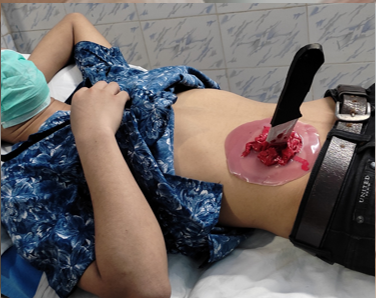
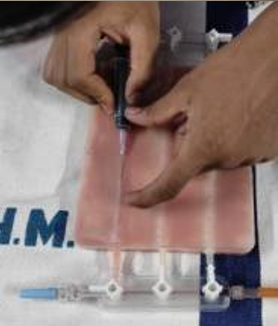
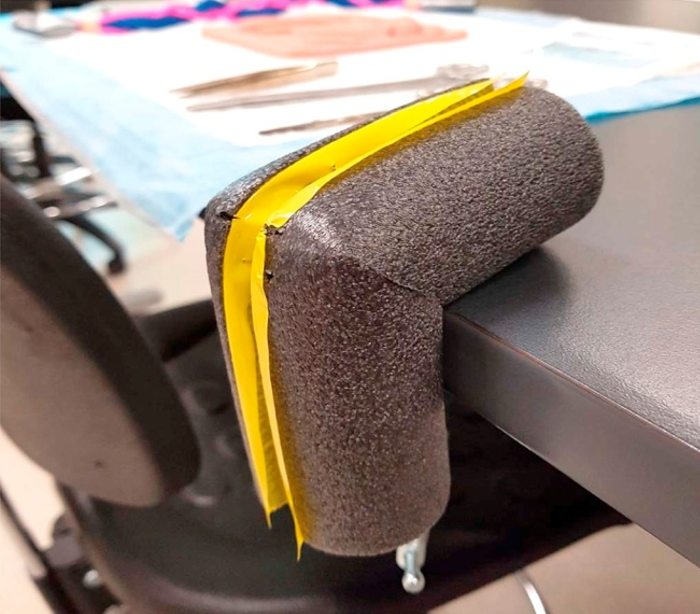
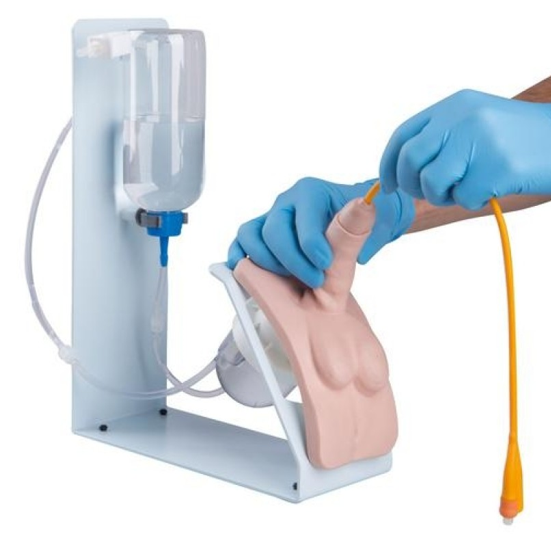
Simulation-Based Education (SBE) has become an integral part of Medical and Nursing education. Simulation-based clinical education provides students with opportunities to practice their learned skills through varied real-life situational experiences, without compromising the patient’s safety. The global medical simulation market size is USD 2.55 billion in 2023 which is expected to surpass USD 7.2 billion by 2030. There is an urgent need for innovative low-cost sustainable simulation solutions for sustainable and maximum utilization of Simulation-Based Medical Education in a country like INDIA.
Simulation-based clinical education is a useful approach that provides students with opportunities to practice their learned skills through varied real-life situational experiences, without compromising the patient’s safety.
Source: BMC Medical Education 16, 152 (2016)
SIMUCON (National Medical Simulation Conference and Competition) is spearheading the development of low-cost sustainable simulation solutions for countries like India through innovation and research. It is a unique platform that aims to bring together multidisciplinary teams of medical, nursing, paramedical and engineering students to find innovative solutions to complex clinical problems, create entrepreneurs and transform medical education. SimuCON 2023 is a unique opportunity and one of its kind simulation competition in India through which we aim to inspire the students to create clinically useful models which would help bridge the gap between classroom knowledge and bedside practice.
To pioneer in low cost sustainable simulation solutions for all in resource limited countries through innovation and research that could transform the field of medical education.
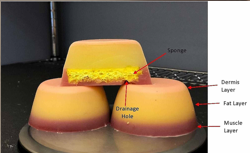
Gillis C J, Bishop N, Walsh G, et al. (May 31, 2020) Evaluation of a Novel 3D-Printed Urinary Catheterization Simulation Model in Undergraduate Medical Teaching. Cureus 12(5): e8377. doi:10.7759/cureus.8377
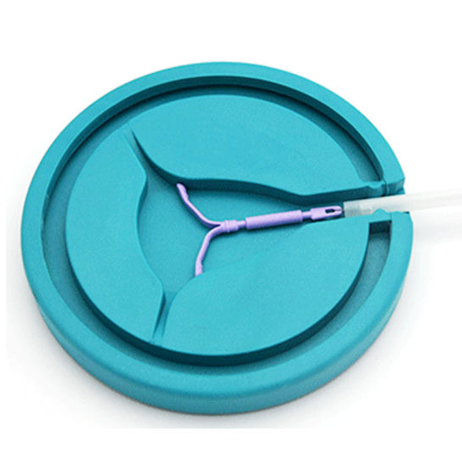
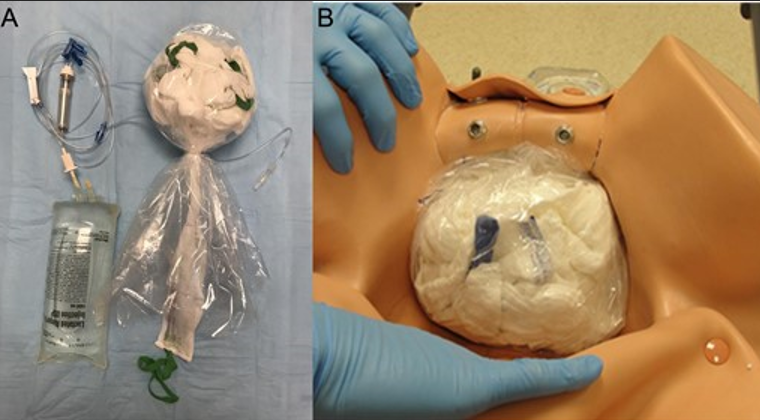
Dodge, Laura & Hacker, Michele & Averbach, Sarah & Voit, Sara & Paul, Maureen. (2016). Assessment of a high-fidelity mobile simulator for intrauterine contraception training in ambulatory reproductive health centres. Journal of European CME. 5. 10.3402/jecme.v5.30416.
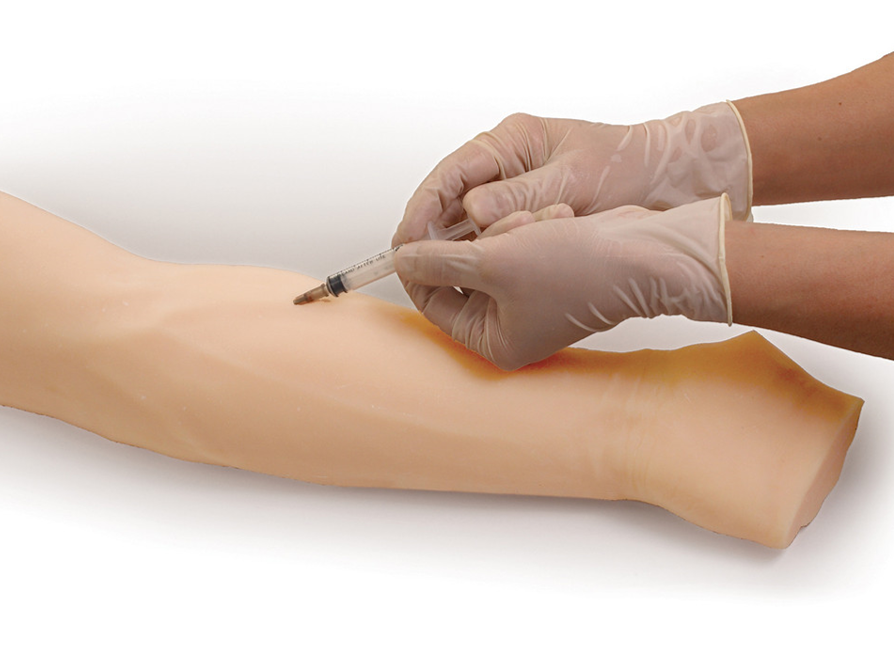
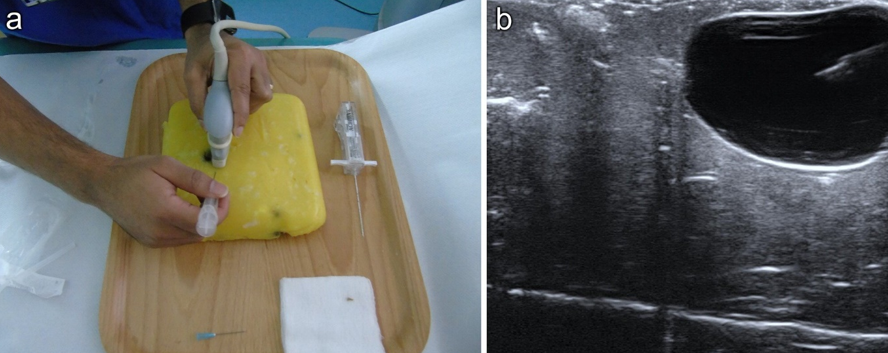
Micallef J, Arutiunian A, Dubrowski A. The Development of an Intramuscular Injection Simulation for Nursing Students. Cureus. 2020 Dec 29;12(12):e12366. doi: 10.7759/cureus.12366. PMID: 33520557; PMCID: PMC7839806.
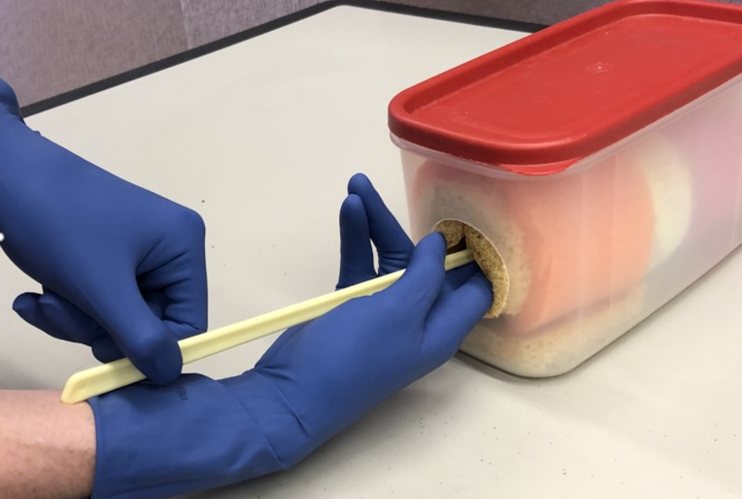
Perry J D, Maples J M, Deisher H N, et al. (December 07, 2021) A Novel Approach to Teaching the Cervical Exam: A Versatile, Low-Cost Simulation for Labor and Delivery Learners. Cureus 13(12): e20235. doi:10.7759/cureus.20235
Military Medicine, Volume 184, Issue 11-12, November-December 2019, Pages e637–e641
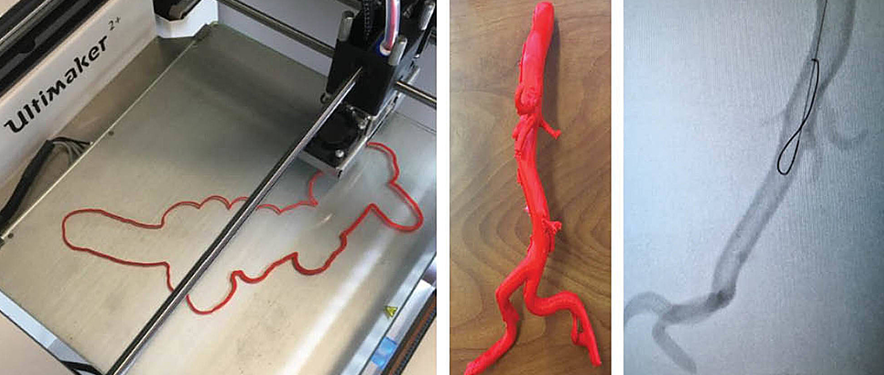
Goudie C, Kinnin J, Bartellas M, et al. (April 03, 2019) The Use of 3D Printed Vasculature for Simulation-based Medical Education Within Interventional Radiology. Cureus 11(4): e4381. doi:10.7759/cureus.4381
Okland TS, Pepper JP, Valdez TA. How do we teach surgical residents in the COVID-19 era?. J Surg Educ. 2020;77(5):1005-1007. doi:10.1016/j.jsurg.2020.05.030
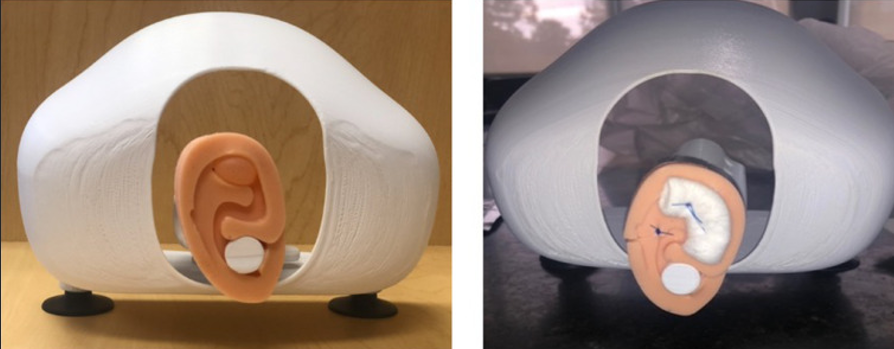
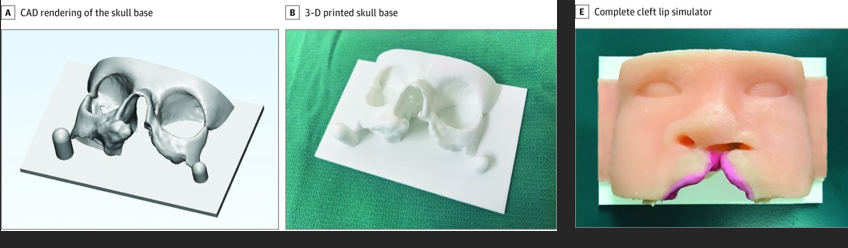
Reighard CL, Green K, Rooney DM, Zopf DA. Development of a Novel, Low-Cost, High-fidelity Cleft Lip Repair Surgical Simulator Using Computer-Aided Design and 3-Dimensional Printing. JAMA Facial Plast Surg. 2019;21(1):77-79. doi:10.1001/jamafacial.2018.1237
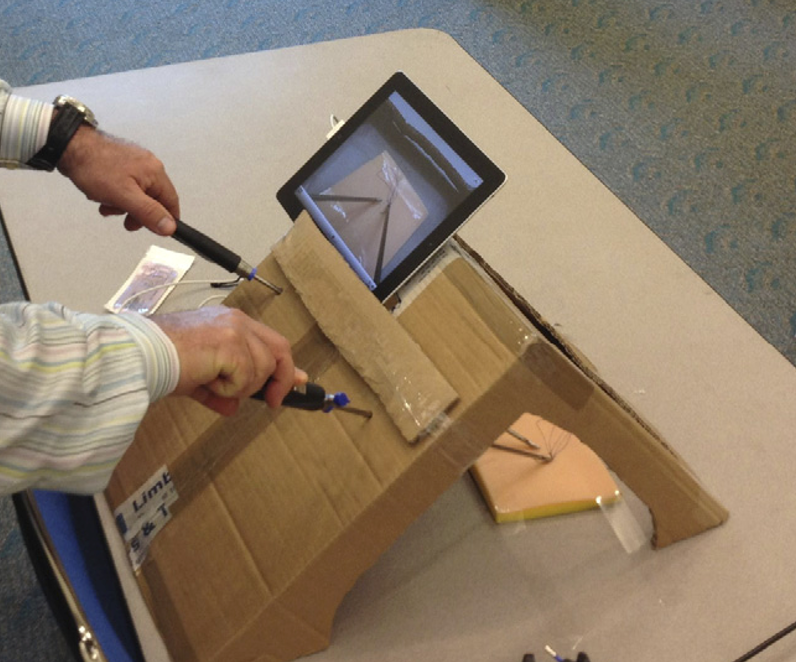
Bahsoun, Ali N. et al. “Tablet based simulation provides a new solution to accessing laparoscopic skills training.” Journal of surgical education 70 1 (2013): 161-3 .